
Healthy crops need more than water and sunlight. Just as humans need a balanced diet to stay healthy, plants need a proper supply of essential nutrients for strong growth, healthy roots, flowering, fruit development, and better crop productivity.
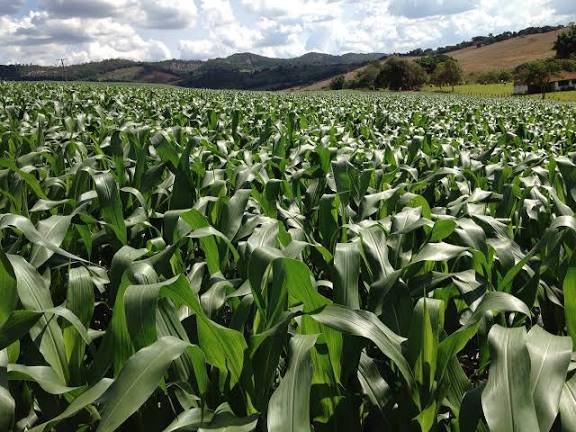
This is where crop nutrition plays an important role.
Crop nutrition refers to the supply and effective utilization of essential nutrients required by plants throughout their growth cycle. Providing the right nutrients at the right time and in the right quantity can help support healthy plant development and improve the overall quality of the crop.
In this guide, we will understand what crop nutrition is, why plant nutrition is important, essential nutrients required by crops, common nutrient deficiency symptoms, and how balanced crop nutrition can support healthier farming.
What Is Crop Nutrition?
Crop nutrition is the process of providing plants with essential nutrients required for their growth, development, and reproductive stages.
Plants obtain nutrients primarily from the soil, water, air, and, when required, through fertilizers and other agricultural inputs.
A balanced crop nutrition program considers:
- Crop type
- Soil condition
- Nutrient availability
- Crop growth stage
- Nutrient requirements
- Weather conditions
- Method of nutrient application
The objective is not simply to add more fertilizer. It is to provide the right nutrition according to the crop’s requirements.
Why Is Crop Nutrition Important?
Proper plant nutrition is essential throughout the crop growth cycle. Nutrients participate in important plant processes such as root development, photosynthesis, cell formation, flowering, fruit development, and overall plant growth.
Balanced crop nutrition can help support:
1. Healthy Plant Growth
Adequate nutrients help plants develop stronger roots, stems, leaves, and new shoots.
When plants receive appropriate nutrition, they can maintain healthy vegetative growth and better utilize available water and other resources.
2. Strong Root Development
Healthy roots are essential for efficient absorption of water and nutrients from the soil.
Nutrients such as phosphorus and other essential elements contribute to root development and overall plant establishment.
3. Better Leaf Development
Leaves are important for photosynthesis, the process through which plants produce energy.
Adequate plant nutrition supports healthy leaf formation and helps maintain normal plant growth.
4. Healthy Flowering and Fruit Development
During flowering and fruiting stages, crops have specific nutritional requirements.
A balanced supply of essential nutrients can support flowering, fruit development, and overall crop growth.
5. Improved Crop Quality
Proper crop nutrition can contribute to healthier plant development and better crop quality.
However, nutrient requirements differ from crop to crop, so fertilizer and nutrient management should be based on crop needs and soil conditions.
Essential Nutrients Required by Plants
Plants require several essential nutrients for healthy development. These nutrients are commonly classified into macronutrients and micronutrients.
Macronutrients
Macronutrients are required by plants in relatively larger quantities.
Important macronutrients include:
- Nitrogen (N)
- Phosphorus (P)
- Potassium (K)
- Calcium (Ca)
- Magnesium (Mg)
- Sulphur (S)
Each nutrient performs different functions within the plant.
Nitrogen
Nitrogen is important for vegetative growth and is closely associated with the development of leaves and stems.
A nitrogen deficiency may result in poor growth and yellowing of older leaves.
Phosphorus
Phosphorus plays an important role in energy transfer and root development.
It is also associated with reproductive development, including flowering and seed formation.
Potassium
Potassium contributes to several physiological processes within plants and helps support overall plant strength and development.
Calcium
Calcium is important for cell wall development and structural growth.
Magnesium
Magnesium is a central component of chlorophyll and therefore has an important role in photosynthesis.
Sulphur
Sulphur is required for the formation of certain amino acids and proteins and contributes to healthy plant development.
What Are Micronutrients in Crop Nutrition?
Micronutrients in plants are essential nutrients required in relatively small quantities but are still important for normal plant growth and development.
Common plant micronutrients include:
- Zinc
- Iron
- Boron
- Manganese
- Copper
- Molybdenum
- Chlorine
- Nickel
Even though plants require micronutrients in smaller amounts, their deficiency can affect important physiological processes.
For example, zinc deficiency in plants can affect normal growth, while iron deficiency is commonly associated with chlorosis or yellowing of younger leaves.
This is why a balanced micronutrient management program can be an important part of crop nutrition.
How to Identify Nutrient Deficiency in Crops?
Recognizing nutrient deficiency symptoms in plants at an early stage can help farmers take appropriate corrective action.
Some common signs include:
| Symptom | Possible Nutritional Concern |
|---|---|
| Yellowing of older leaves | Nitrogen deficiency may be a possibility |
| Yellowing between leaf veins | Iron or magnesium-related deficiency may be involved |
| Stunted plant growth | Multiple nutrient or environmental factors may contribute |
| Poor flowering | Nutritional imbalance or other crop-management factors |
| Weak plant development | Nutrient, water, soil, or root-related issues |
| Poor fruit development | Nutritional and environmental factors may be involved |
| Abnormal leaf growth | Possible nutrient imbalance or other stress |
Important: Visual symptoms alone cannot always confirm a nutrient deficiency. Similar symptoms can be caused by diseases, pests, soil conditions, water stress, root damage, or other environmental factors.
Soil testing and expert agricultural guidance can help identify the actual cause.
What Causes Nutrient Deficiency in Crops?
Crop nutrient deficiency can occur for several reasons.
1. Poor Soil Nutrient Availability
A soil may contain nutrients but not necessarily in a form that plants can easily absorb.
2. Incorrect Fertilizer Application
Applying too little, too much, or the wrong type of fertilizer can create nutritional imbalances.
3. Incorrect Soil pH
Soil pH can influence the availability of several nutrients to plants.
4. Continuous Cropping
Repeated cultivation of the same or nutrient-demanding crops can influence soil nutrient availability.
5. Excessive Rainfall or Irrigation
Water movement can affect nutrient availability and, in some circumstances, contribute to nutrient losses.
6. Poor Root Development
Damaged or poorly developed roots may reduce the plant’s ability to absorb available nutrients.
Why Is Balanced Plant Nutrition Better Than Excess Fertilization?
A common misconception is that applying more fertilizer automatically results in better crop growth.
However, more fertilizer does not always mean better nutrition.
Plants require nutrients in specific amounts and proportions. Excessive application can lead to nutrient imbalances, unnecessary input costs, and potential environmental concerns.
Effective fertilizer management focuses on:
Right Nutrient + Right Quantity + Right Time + Right Method
This approach can help farmers make more efficient crop nutrition decisions.
How Does Soil Health Affect Crop Nutrition?
Healthy soil is an important foundation for effective crop nutrition.
Soil health is influenced by several factors, including:
- Organic matter
- Soil structure
- Microbial activity
- Moisture availability
- Soil pH
- Nutrient availability
- Root environment
Improving soil health can support better root development and nutrient availability.
This is one reason why biofertilizers, organic inputs, soil conditioners, and balanced fertilizer management are increasingly considered as components of sustainable agriculture practices.
Crop Nutrition According to Growth Stage
A crop’s nutritional requirements can change throughout its life cycle.
Germination and Early Growth
During early development, crops require appropriate nutrition to establish healthy roots and shoots.
Vegetative Growth
During vegetative growth, nutrients supporting leaf, stem, and root development become particularly important.
Flowering Stage
At flowering, crop nutritional requirements can change as the plant moves toward reproductive development.
Fruit and Seed Development
During fruiting or seed development, balanced nutrition becomes important for supporting crop development and quality.
Therefore, fertilizer application according to crop growth stage can be more effective than following a single nutrition strategy throughout the season.
Role of Biofertilizers in Sustainable Crop Nutrition
Biofertilizers contain beneficial microorganisms that can contribute to nutrient availability and soil biological activity.
Depending on the type of biofertilizer and crop-management system, beneficial microorganisms may support processes related to nutrient availability and plant growth.
Biofertilizers are increasingly considered within sustainable agriculture and integrated crop nutrition programs.
However, biofertilizers should be selected and applied according to the crop, soil condition, product specifications, and recommended agricultural practices.
How Can Farmers Improve Crop Nutrition?
Farmers can take several steps to improve crop nutrition management:
1. Conduct Soil Testing
Soil testing can provide valuable information about nutrient levels and soil properties.
2. Understand Crop Requirements
Different crops have different nutrient requirements.
3. Monitor Crop Growth
Regularly observe leaves, stems, roots, flowering, and fruit development for unusual symptoms.
4. Use Balanced Fertilizer Management
Avoid relying on only one nutrient. Consider the overall nutritional requirements of the crop.
5. Apply Nutrients at the Appropriate Growth Stage
Nutrient requirements can vary during different stages of crop development.
6. Consider Micronutrients
Do not overlook micronutrients simply because crops require them in smaller quantities.
7. Take Expert Guidance
When symptoms appear, identify the underlying cause before selecting a fertilizer or crop nutrition product.
Crop Nutrition and Sustainable Agriculture
Modern agriculture requires a balance between productivity, soil health, efficient resource use, and environmental responsibility.
A well-planned crop nutrition management system can contribute to this approach by focusing on efficient nutrient use rather than indiscriminate fertilizer application.
Combining soil testing, balanced fertilizers, organic inputs, biofertilizers, micronutrients, appropriate irrigation, and good agricultural practices can help farmers build a more comprehensive crop management strategy.
Frequently Asked Questions About Crop Nutrition
What is crop nutrition?
Crop nutrition is the management and supply of essential nutrients required by plants for healthy growth, development, flowering, fruiting, and overall crop performance.
Why is plant nutrition important?
Plant nutrition is important because essential nutrients support processes such as root development, photosynthesis, vegetative growth, flowering, fruit development, and plant structure.
What are the essential nutrients for plant growth?
Essential plant nutrients include macronutrients such as nitrogen, phosphorus, potassium, calcium, magnesium, and sulphur, along with micronutrients such as zinc, iron, boron, manganese, copper, molybdenum, chlorine, and nickel.
What are micronutrients in agriculture?
Micronutrients are essential plant nutrients required in relatively small quantities. Examples include zinc, iron, boron, manganese, copper, molybdenum, chlorine, and nickel.
How can I identify nutrient deficiency in crops?
Look for symptoms such as yellowing leaves, stunted growth, poor flowering, abnormal development, or reduced crop performance. However, symptoms can have multiple causes, so soil testing and expert diagnosis are recommended before corrective treatment.
How does soil health affect crop nutrition?
Soil health influences root development, nutrient availability, microbial activity, water movement, and the overall growing environment. Healthy soil can support more effective crop nutrition management.
Can biofertilizers improve crop nutrition?
Biofertilizers containing beneficial microorganisms can support nutrient availability and soil biological activity. Their effectiveness depends on the microorganism, crop, soil conditions, application method, and overall farm-management practices.
Conclusion: Give Your Crops the Right Nutrition
Healthy crop growth starts with balanced plant nutrition.
Understanding crop nutrient requirements, monitoring nutrient deficiency symptoms, maintaining soil health, using micronutrients appropriately, and following stage-specific nutrient management can help farmers make more informed crop-care decisions.
At Enrich Bio Fertilizers, our focus is on providing agricultural solutions that support farmers in making smarter crop nutrition and plant-care decisions.
The right product. The right nutrition. The right approach.
If you’re unsure about your crop’s nutritional requirements, connect with Enrich Bio Fertilizers to explore the right agricultural solution for your crop.